
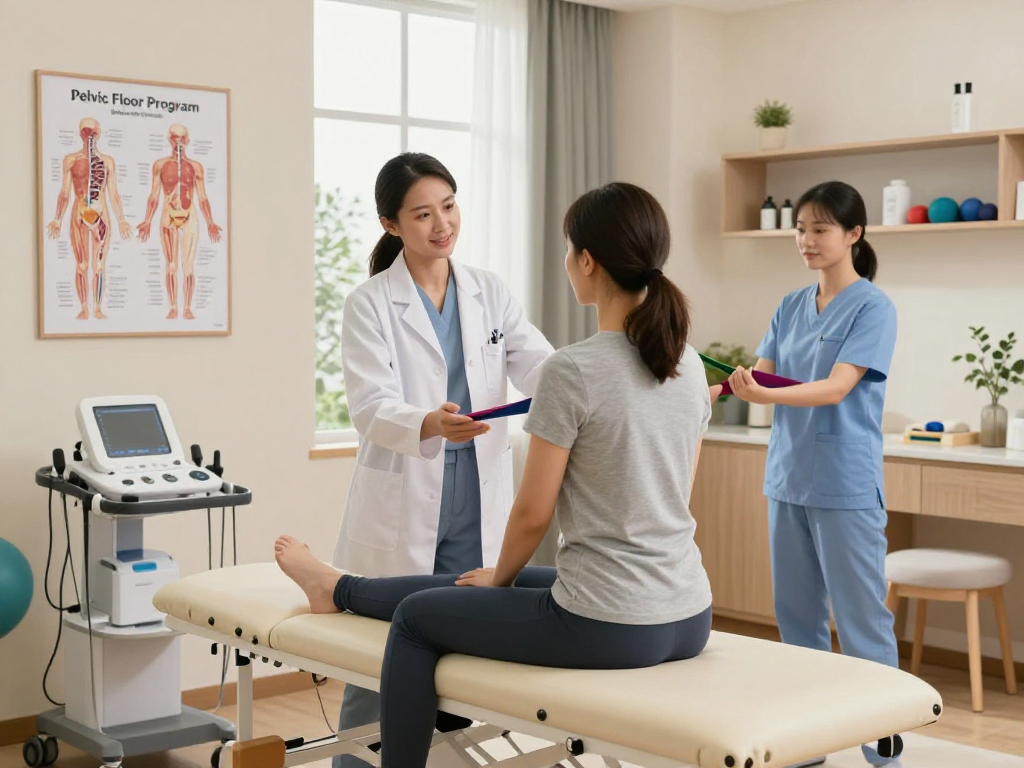
Understanding the Pelvic Floor Program
The Pelvic Floor Program is a specialized approach aimed at addressing various challenges related to pelvic health, emphasizing a multifaceted treatment strategy that incorporates physical therapy, education, and behavioral modifications. This comprehensive program supports individuals experiencing pelvic dysfunctions, fostering long-term recovery and enhanced quality of life. When exploring options, the Pelvic Floor Program provides comprehensive insights into effective treatment methods tailored to individual needs.
What is the Pelvic Floor Program?
The Pelvic Floor Program is designed to promote pelvic health through a systematic and personalized approach. It involves a detailed assessment of an individual’s condition and focuses on strengthening the pelvic muscles, improving awareness of the pelvic area, and educating patients about effective self-management strategies. This program typically integrates physical therapy techniques, exercises, and lifestyle modifications to tackle specific issues related to pelvic health.
The Importance of Pelvic Health
Pelvic health is crucial for overall well-being, yet it is often overlooked in general health discussions. A well-functioning pelvic floor supports essential bodily functions, including bladder and bowel control, sexual function, and stability during physical activities. Issues such as incontinence and pelvic pain can significantly impact daily life and mental health, highlighting the necessity of addressing these concerns through specialized programs such as the Pelvic Floor Program.
Who Can Benefit from the Program?
The Pelvic Floor Program is suitable for a diverse range of individuals, including those facing challenges after childbirth, surgical interventions, or chronic pelvic pain. Both men and women can benefit from this program, particularly those experiencing issues such as urinary incontinence, fecal incontinence, or discomfort during intercourse. Furthermore, individuals looking to enhance their athletic performance or improve core stability may also find valuable resources through pelvic health initiatives.
Common Issues Addressed by the Program
Incontinence: Causes and Solutions
Incontinence, the involuntary loss of bladder or bowel control, is a prevalent concern that can stem from a variety of causes, including pregnancy, menopause, aging, and certain medical conditions. The Pelvic Floor Program addresses incontinence through targeted exercises, techniques, and education on behavioral modifications to enhance muscle strength and control. Solutions may include pelvic floor muscle training, bladder retraining, and the implementation of dietary changes to mitigate symptoms.
Pain Management and Pelvic Pain Syndromes
Chronic pelvic pain syndromes can significantly affect an individual’s quality of life. These conditions may arise from issues such as endometriosis, pelvic inflammatory disease, or pelvic floor dysfunction. The Pelvic Floor Program utilizes a holistic approach to pain management, focusing on both physical therapy treatments and lifestyle modifications designed to alleviate discomfort and improve function. This may involve relaxation techniques, biofeedback, and manual therapy.
Postpartum Recovery and Support
Women often face numerous physical challenges following childbirth, including pelvic floor weakness and incontinence. The Pelvic Floor Program provides dedicated support tailored to postpartum recovery, helping mothers regain control and strength. This includes exercises aimed at restoring pelvic muscle function, educational resources on self-care, and emotional support to help navigate the physical and psychological impacts of childbirth.
Key Components of the Pelvic Floor Program
Personalized Assessment and Goals
One of the foundational elements of the Pelvic Floor Program is the personalized assessment process. Each individual undergoes a thorough evaluation that considers their medical history, specific symptoms, and personal goals for recovery. This assessment enables healthcare providers to tailor the program to meet individual needs, ensuring effective treatment and support.
Exercises and Techniques for Strengthening
Strengthening the pelvic floor muscles is vital for addressing many pelvic health issues. The Pelvic Floor Program incorporates various exercises—such as Kegel exercises, resistance training, and functional movements—to enhance muscle strength and endurance. These exercises are designed to be performed in conjunction with professional guidance to ensure proper technique and maximize effectiveness.
Behavioral Modifications and Lifestyle Changes
Beyond physical exercises, the Pelvic Floor Program emphasizes the importance of behavioral modifications and lifestyle changes. This can include dietary adjustments, fluid management, and strategies to reduce stress on the pelvic floor. By encouraging healthier habits and routines, individuals can experience improved pelvic health outcomes and a greater overall sense of well-being.
Measuring Progress and Success
Tracking Improvements and Outcomes
Monitoring progress within the Pelvic Floor Program is essential for determining treatment efficacy and motivating individuals. Healthcare providers utilize various metrics, including symptom surveys, functional assessments, and patient-reported outcomes, to evaluate improvements. Regular check-ins help adjust treatment plans as needed, ensuring that patients are on the right track to recovery.
Patient Testimonials: Real-Life Success Stories
Patient testimonials serve as a powerful reminder of the impact the Pelvic Floor Program can have on individuals’ lives. Many participants share stories of reclaiming control, alleviating pain, and enhancing their quality of life. These real-life success stories not only inspire others facing similar challenges but also provide valuable insight into the program’s effectiveness and supportive environment.
Common Misconceptions About Pelvic Health
Misinformation about pelvic health can discourage individuals from seeking help. Common misconceptions include the belief that pelvic floor issues are solely a women's concern or that it is a normal part of aging. The truth is that pelvic health issues can affect anyone, regardless of gender or age, and addressing them early can lead to better outcomes. Educational initiatives within the Pelvic Floor Program aim to dispel these myths and encourage individuals to take proactive steps towards their pelvic health.
Future Trends in Pelvic Health Programs
Technological Advances in Treatment and Monitoring
The landscape of pelvic health is evolving, with technology playing a prominent role in treatment and monitoring. Innovations such as wearable devices, telehealth consultations, and digital apps for tracking symptoms are becoming increasingly common in Pelvic Floor Programs. These advancements not only facilitate more accessible care but also enhance patient engagement and personalized feedback.
Emerging Research and Developments for 2026
As the field of pelvic health continues to grow, emerging research is likely to unveil new treatment modalities and deepen our understanding of pelvic floor function. Studies focusing on the neurophysiology of pelvic health, biopsychosocial approaches to treatment, and the effects of various interventions will shape future programs. By 2026, we can anticipate more evidence-based approaches and updated practices that reflect the latest scientific findings.
The Importance of Continued Education and Support
Ongoing education and support are essential for maintaining pelvic health throughout life. The Pelvic Floor Program prioritizes patient education, providing workshops, resources, and support groups that extend beyond the treatment phase. Empowering individuals with knowledge equips them to manage their conditions effectively and advocate for their pelvic health needs in the future.
What can I expect during a pelvic floor program consultation?
During a consultation for the Pelvic Floor Program, you can expect a comprehensive evaluation by a qualified healthcare professional. This session may involve discussions about your medical history, physical assessments, and initial treatment recommendations tailored to your condition and goals. Building a trusting relationship with your practitioner is crucial for successful outcomes.
How long does it take to see results from the Pelvic Floor Program?
The timeline for results can vary depending on individual circumstances, including the severity of symptoms and level of commitment to the program. Many individuals report noticeable improvements within a few weeks, while others may require several months of consistent effort to achieve their desired outcomes. Patience and engagement are key components of the treatment process.
Are pelvic floor exercises safe for everyone?
While pelvic floor exercises are beneficial for many, they may not be suitable for everyone. Individuals with specific medical conditions, complications, or severe pain should consult with a healthcare professional before beginning any exercise regimen. A customized approach ensures that the exercises are safe and effective based on individual circumstances.
What resources are available for ongoing pelvic health education?
Numerous resources are available for ongoing education in pelvic health, including online platforms, workshops, and community support groups. Many pelvic health specialists also provide educational materials and seminars to help individuals stay informed about their conditions and treatment options. Engaging with these resources fosters a proactive approach to personal pelvic health management.
How do I choose the right practitioner for my pelvic floor health?
Selecting the right practitioner is essential for effective pelvic health management. Look for healthcare professionals with specialized training in pelvic floor therapy and a track record of positive outcomes. Trust your instincts—feel comfortable discussing your issues, and ensure that they listen to your concerns and tailor their approaches to your specific needs.